Practical tactics for Puget Sound saltwater, coastal tributaries, free-flowing rivers, and interior lakes across Washington and Oregon. Each guide starts with the water, then the season, then the gear.
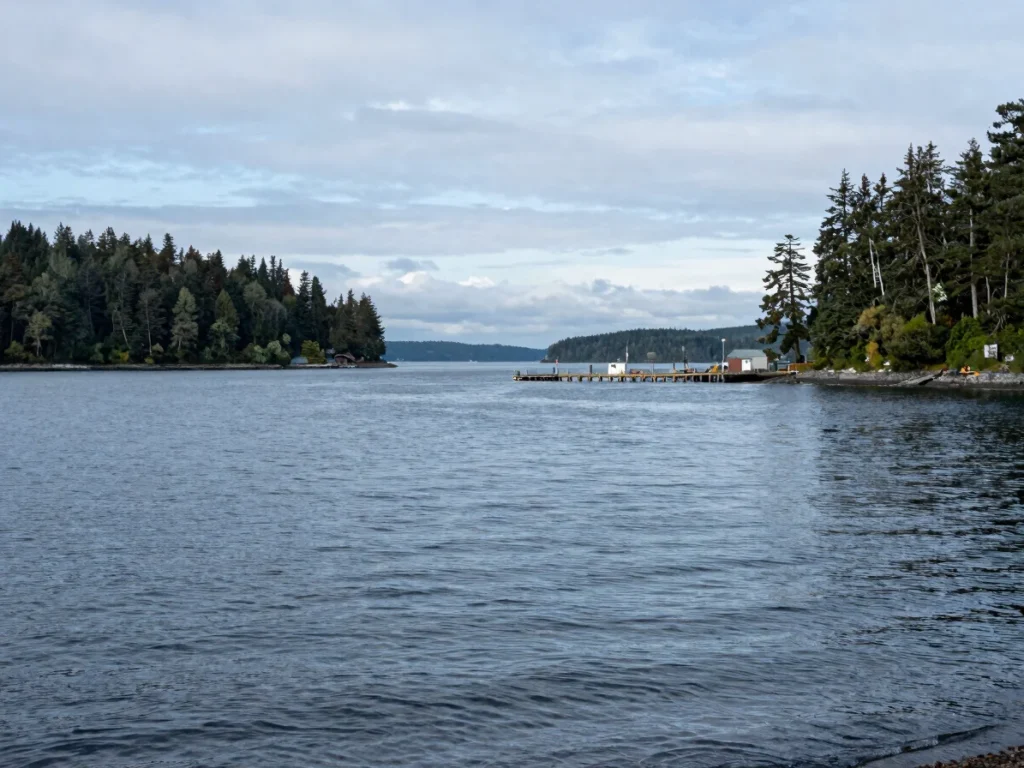
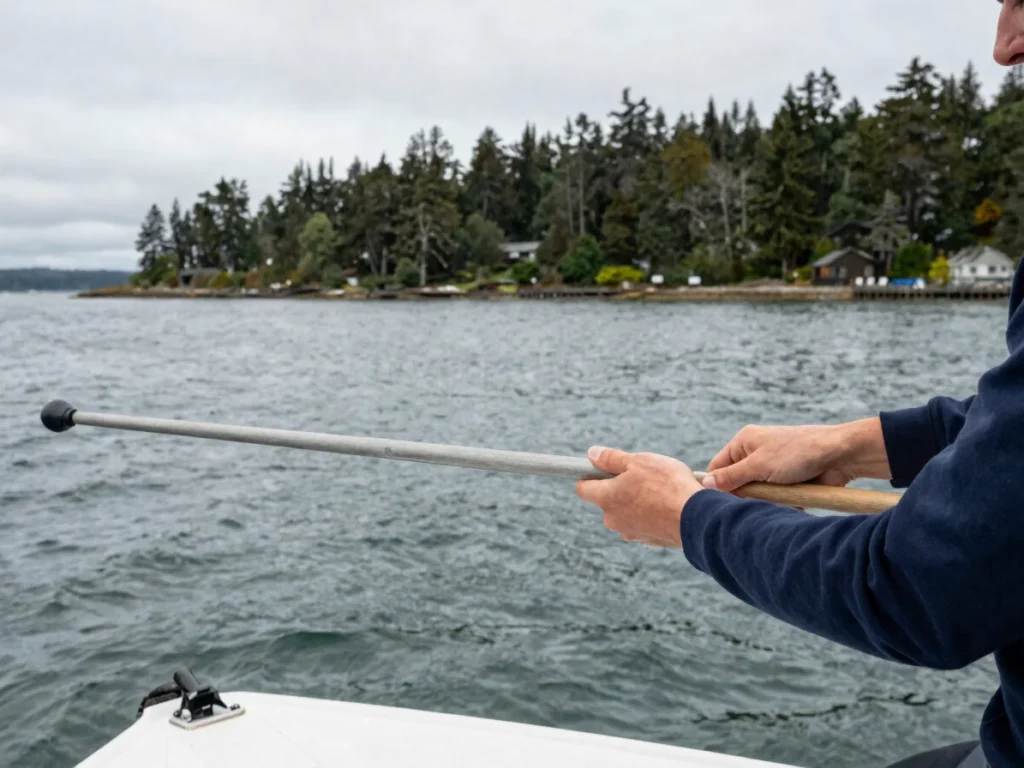
Saltwater tides, current seams, and bait balls shape where fish hold. Guides here focus on reading tide tables, matching depth to structure, and choosing gear rated for changing conditions.
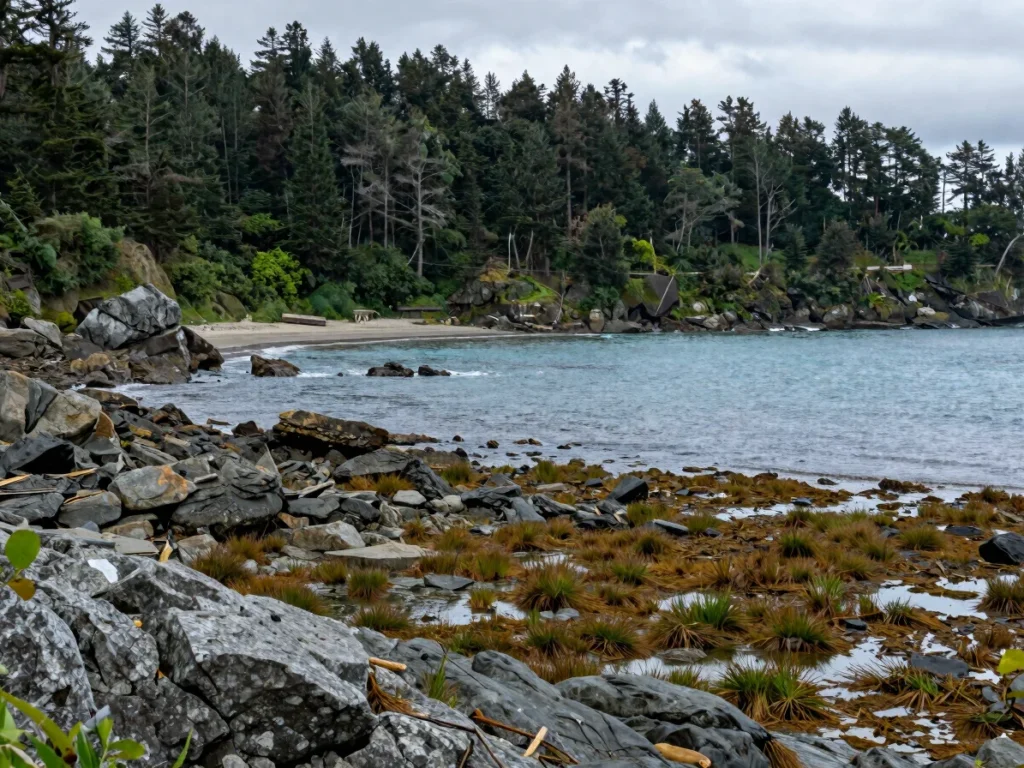
Bays and the lower reaches of coastal streams change with rainfall and tide. Guides explain how to read water clarity, avoid sensitive estuary habitat, and plan access around local regulations.
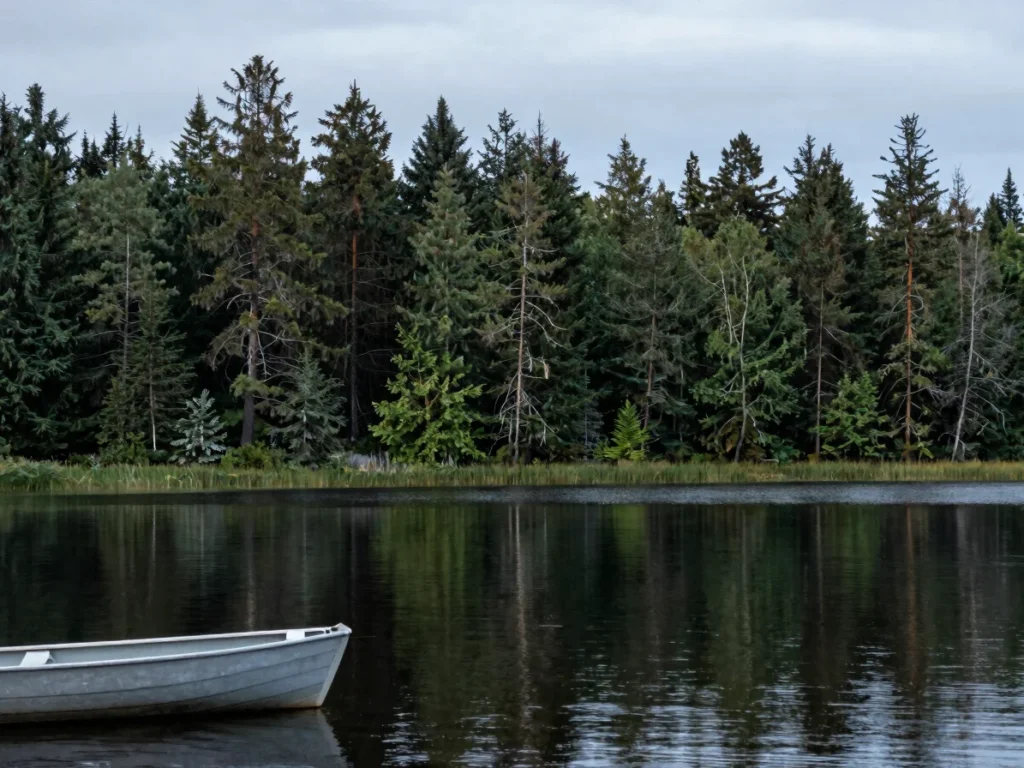
Lake fishing depends on depth, temperature layers, and shoreline cover. Guides cover reading a basic depth map, adjusting presentations as water warms, and choosing boat electronics suited to lake use.
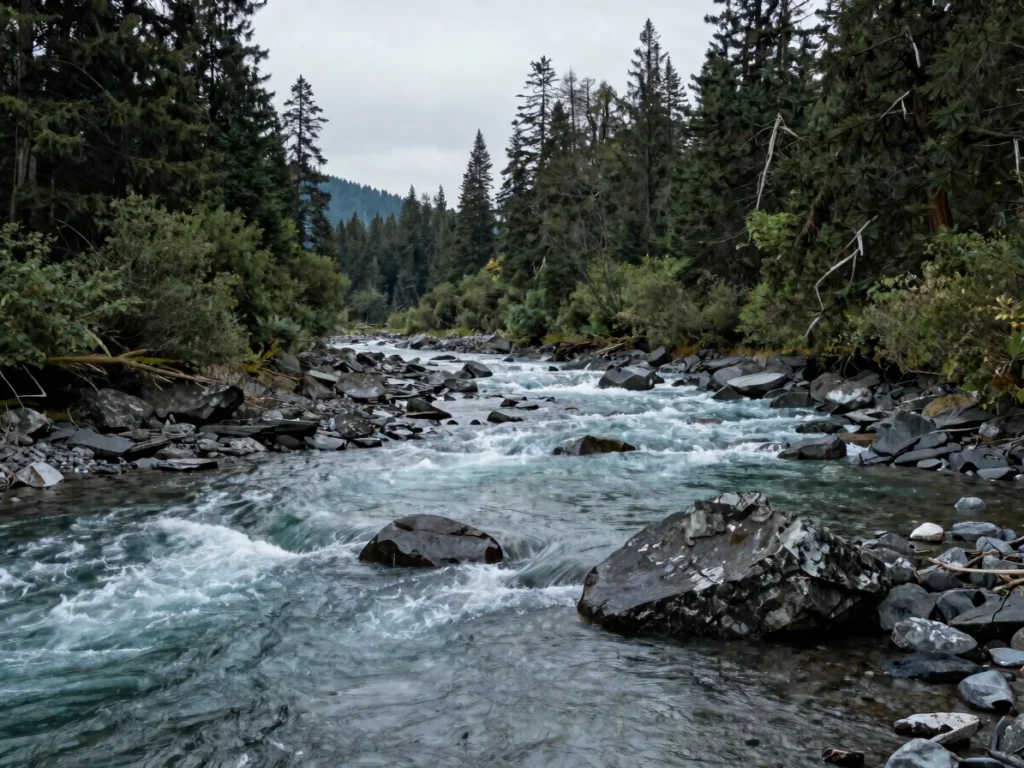
River guides address current speed, wading safety, and how gauge readings relate to access. Each entry notes the questions to ask local sources before heading out, rather than promising specific results.
Water conditions shift through the year. These general considerations help frame a trip before you check current local conditions.
Spring runoff
Snowmelt and rain raise and cloud rivers. Slower, more protected water near banks and eddies is often the first place to start, and high flows call for extra caution.
Summer lake layers
As lakes warm, water separates into layers. Understanding where the thermocline sits helps anglers decide how deep to fish and which gear suits the depth.
Autumn river runs
Cooler water and shorter days bring seasonal movement on many rivers. Local agency notices and regulations should be checked before any run-timed trip.